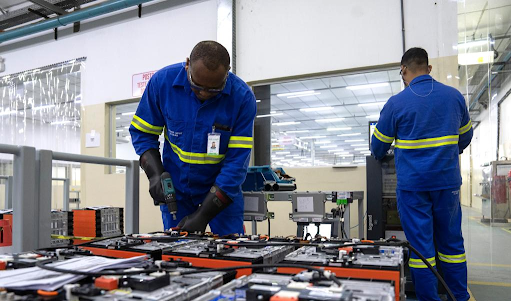
Brazil's rapid industrialization and growing emphasis on sustainability have driven a significant rise in demand for lithium batteries, particularly in the industrial vehicle sector. Despite its economic progress, Brazil faces substantial gaps in its local lithium battery production capabilities, leading to an increasing reliance on imports. Among the preferred suppliers, China's professional lithium battery manufacturers, like SPIDERWAY, have seen a marked surge in inquiries and orders for forklift batteries over the past two years. This article explores the factors behind Brazil's rising demand, the challenges in its domestic lithium battery supply chain, and the advantages of importing high-quality solutions from China.
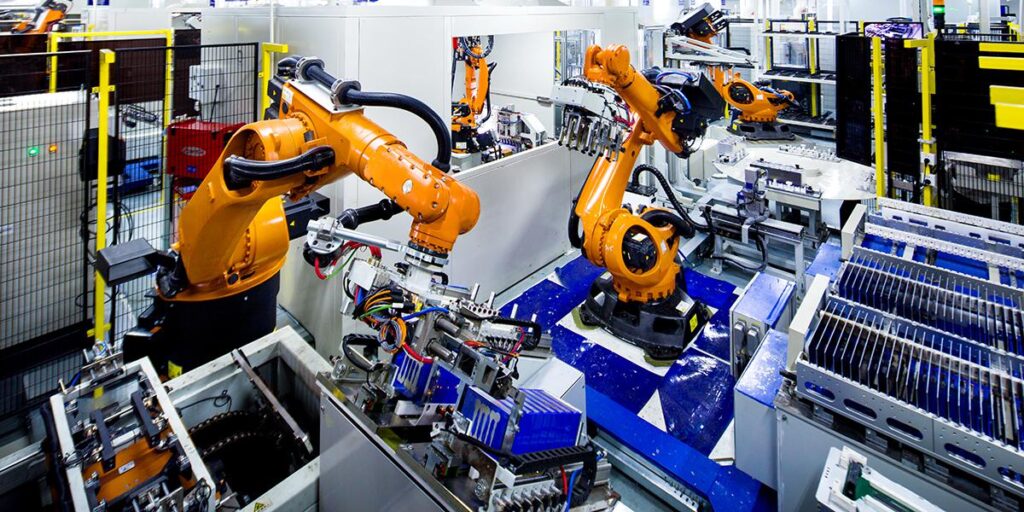
Industrial Growth Drives Lithium Battery Demand
Brazil's industrial growth has been a key driver of its lithium battery market expansion. Sectors such as logistics, mining, and manufacturing rely heavily on electric industrial vehicles like forklifts, which increasingly adopt LiFePO4 lithium batteries for their superior energy efficiency, longevity, and environmental benefits. With stricter emissions regulations and a shift towards sustainable practices, companies are replacing traditional lead-acid batteries with lithium alternatives, creating a booming demand.
However, this demand has outpaced Brazil's domestic supply capabilities. The country lacks a robust lithium battery production chain, struggling with limited raw material processing and insufficient advanced manufacturing infrastructure.
Challenges in Brazil's Lithium Battery Industry
Although Brazil is home to lithium reserves, it lags in refining and processing technologies necessary for producing high-performance LiFePO4 batteries. The existing lithium battery factories in Brazil focus on small-scale production, catering to consumer electronics rather than industrial applications like forklifts. Additionally, high production costs and a shortage of skilled labor further hinder the development of a competitive local industry.
This shortfall has led businesses to seek reliable suppliers abroad, with Chinese manufacturers emerging as the top choice. Their ability to deliver cost-effective, high-performance batteries tailored to specific industrial needs has solidified China's position as a strategic partner for Brazil's growing market.
Why Chinese Lithium Battery Solutions Lead in Brazil
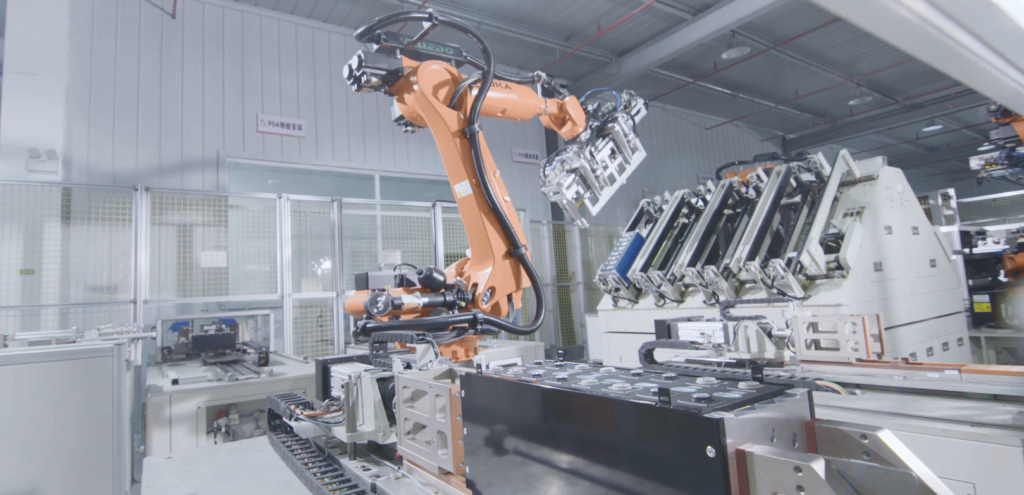
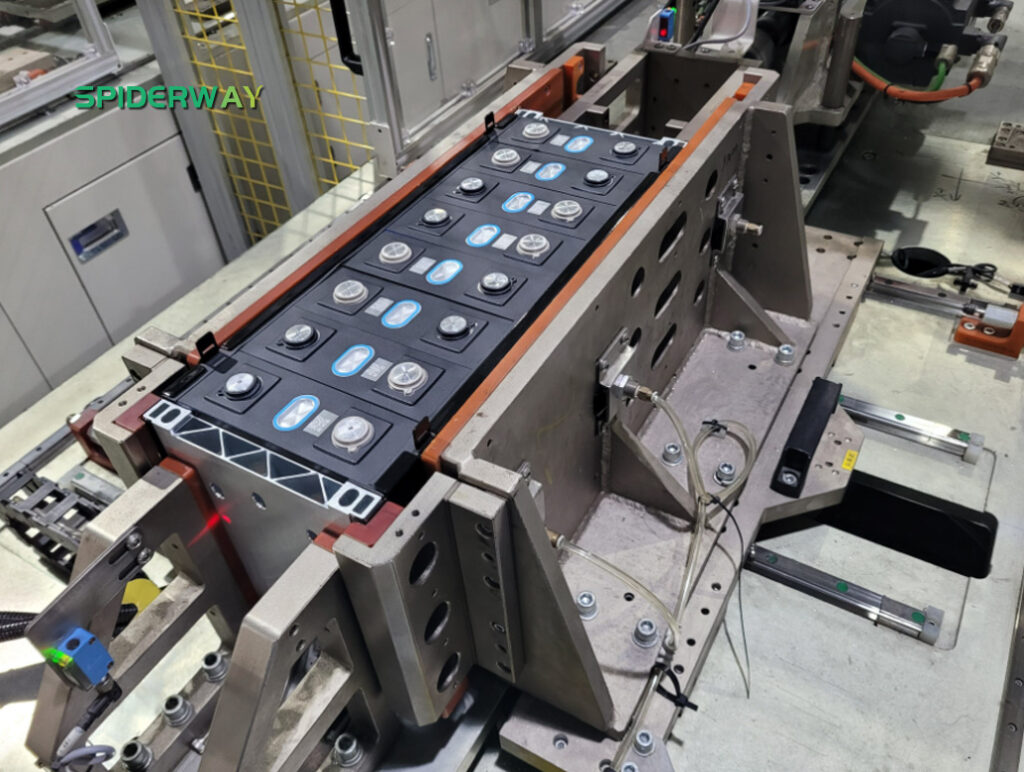
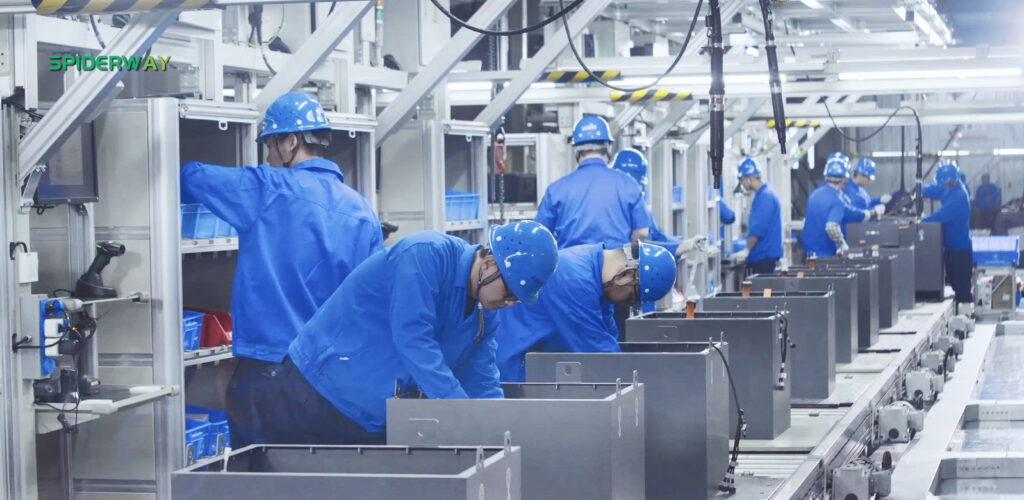
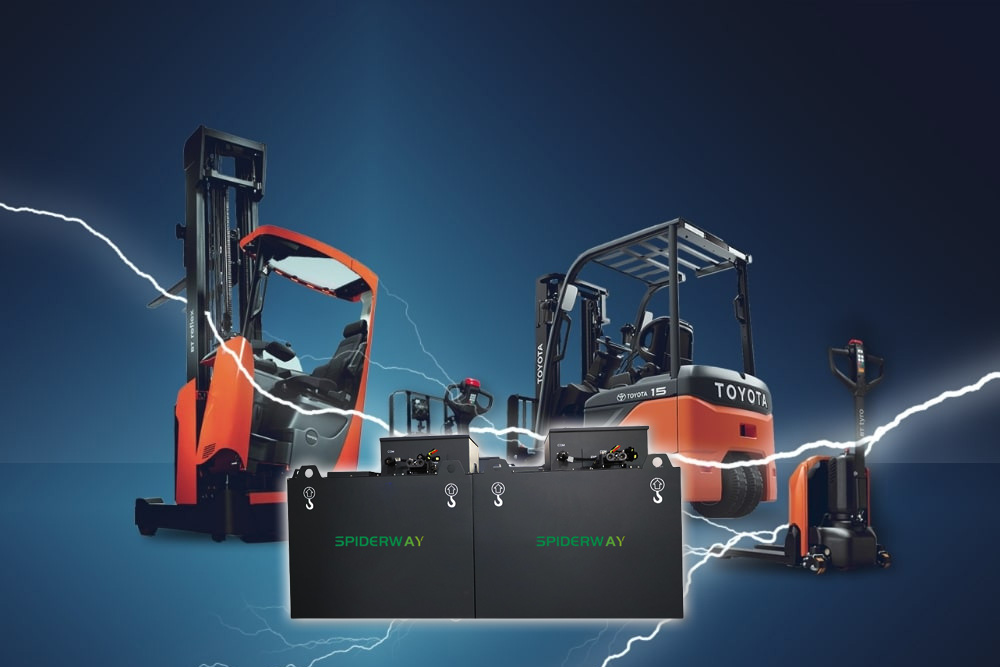
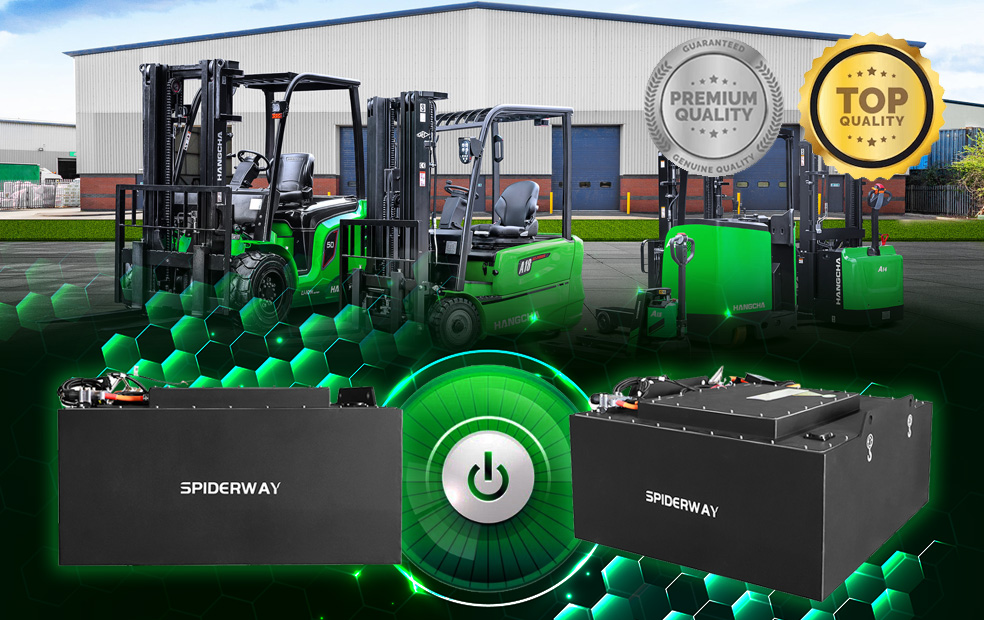
1. Advanced Technology and Customization Chinese manufacturers like SPIDERWAY leverage state-of-the-art technology to produce LiFePO4 forklift batteries designed for durability and efficiency in demanding environments. Their commitment to customization allows them to meet Brazil's industrial requirements, from high energy density to rapid charging capabilities.
2. Competitive Pricing China's well-established lithium battery supply chain enables cost-effective production. For Brazilian companies, importing from China often proves cheaper than sourcing locally, even with shipping and tariffs factored in.
3. Proven Reliability Chinese batteries undergo rigorous testing and comply with international quality standards, ensuring they can withstand the challenging conditions of industrial operations in Brazil.
4. Rising Demand Evident in SPIDERWAY's Growth SPIDERWAY, a leading Chinese supplier specializing in industrial lithium batteries, has reported a significant increase in forklift battery inquiries and orders from Brazil. This trend reflects growing awareness of the benefits of importing from established suppliers. According to SPIDERWAY, Brazilian businesses value the longer lifespan and lower maintenance costs of their batteries, making them a preferred solution for forklift battery replacements in Brazil.
Importing LiFePO4 Batteries from China – The Optimal Solution
The combination of Brazil's industrial expansion and its limited domestic production capacity has created a compelling case for importing lithium batteries from China. As demand for LiFePO4 forklift batteries in Brazil continues to rise, Chinese manufacturers, with their advanced technology, cost efficiency, and proven quality, are well-positioned to support this growth.
For Brazilian companies looking to enhance operational efficiency and sustainability, partnering with suppliers like SPIDERWAY offers an optimal solution. Their expertise in providing tailored lithium battery solutions ensures reliable performance, helping businesses navigate Brazil's evolving industrial landscape while meeting global environmental standards.
By addressing the needs of the Brazilian lithium battery market, Chinese manufacturers are not only filling a critical gap but also contributing to Brazil's industrial modernization. This partnership underscores the growing interdependence between these two economies in shaping a more sustainable future.
Content Keywords
- Brazil forklift battery replacement
- Brazil lithium battery factory
- Brazil LFP lithium battery
- Brazil lithium battery industry
Comments
Post a Comment