Essential Qualities of LFP Lithium Iron Phosphate Power Batteries for Cold Russian Regions low-temperature operation
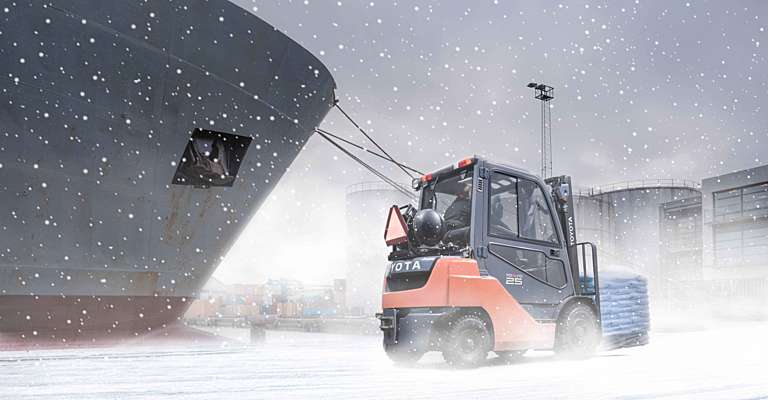
Discover why LFP lithium iron phosphate batteries are ideal for cold regions like Russia. Learn about SPIDERWAY's industrial LFP batteries designed for extreme temperatures from -20°C to 60°C.
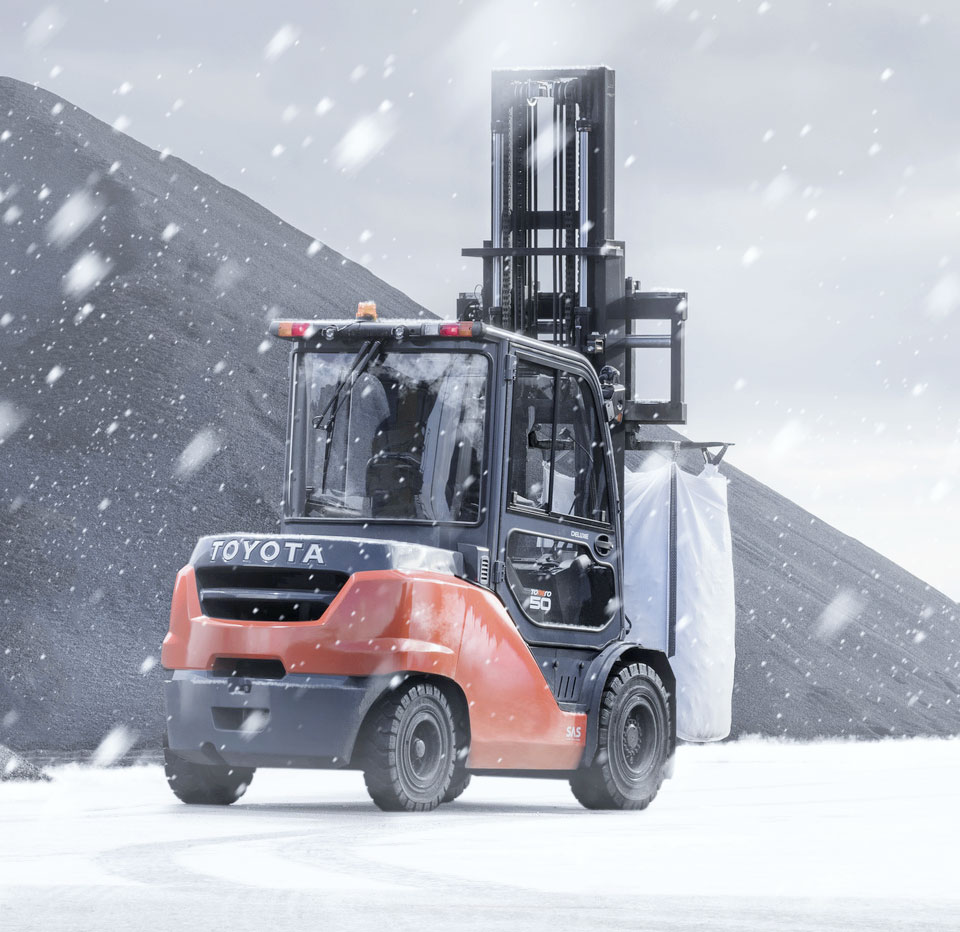
In regions like Russia, where winter temperatures can plummet well below zero, the demand for reliable, efficient power sources is high. Low-temperature lithium batteries, particularly lithium iron phosphate (LFP) types, are gaining traction due to their unique suitability for cold climates. Unlike traditional lithium-ion batteries, LFP batteries have robust chemical stability, which enhances their performance in extreme weather. This article explores the qualities that make LFP batteries ideal for use in cold regions, with a specific focus on SPIDERWAY’s industrial LFP batteries designed to function in temperatures ranging from -20°C to 60°C.

How LFP Batteries Perform in Cold Climates
When temperatures drop, battery performance can suffer due to slower chemical reactions within the cells. For standard lithium-ion batteries, cold weather can reduce their efficiency, shorten lifespan, and even lead to safety issues. However, LFP batteries are specially engineered to withstand colder climates:
- Thermal Stability: LFP batteries are known for their inherent stability. In cold environments, their iron phosphate chemistry provides a slower degradation rate, which ensures a longer lifespan even under frequent temperature fluctuations.
- Reliable Power Delivery: In extremely low temperatures, traditional lithium-ion batteries often lose a significant portion of their power. LFP batteries, however, have a stable discharge rate, allowing them to provide consistent power even when temperatures are below freezing. This reliability is crucial for industrial applications in Russia’s colder regions.
- High Charge Retention: LFP batteries demonstrate excellent charge retention, which means they lose less energy in cold storage. For applications that may involve periods of inactivity, such as backup power systems or seasonal machinery, LFP batteries are a dependable choice.
Requirements for LFP Batteries in Cold Weather

To perform effectively in frigid temperatures, low-temperature LFP lithium batteries must meet several specific requirements:
- Advanced Insulation: Proper insulation is vital to maintain internal cell temperatures, especially when external temperatures drop sharply. Insulated enclosures or external battery heaters are often used in very low-temperature environments.
- Modified Electrolyte Composition: For cold environments, certain additives in the electrolyte can help reduce resistance and maintain flow at low temperatures, preventing freezing and ensuring the battery remains operational.
- Low Internal Resistance: Batteries with lower internal resistance are better suited for cold conditions, as they generate less heat and reduce the likelihood of performance loss in extreme cold.
- Self-Heating Functionality: In especially cold climates, some LFP batteries include a self-heating function. This allows the battery to warm up internally before discharging or charging, providing optimal performance without risking internal damage.
SPIDERWAY’s Advantage: Industrial-Grade Cold Weather LFP Batteries
SPIDERWAY's LFP lithium iron phosphate batteries are engineered to withstand challenging environments, especially those as severe as the Russian winter. Key benefits of SPIDERWAY’s LFP industrial batteries include:
- Temperature Range of -20°C to 60°C: SPIDERWAY batteries are rigorously tested to function in temperatures as low as -20°C, ensuring reliable power delivery for industrial vehicles and equipment operating in cold regions. Their performance remains stable even in high temperatures, making them versatile for year-round use.
- Enhanced Safety and Longevity: Unlike conventional batteries, SPIDERWAY’s LFP products offer outstanding chemical stability and are resistant to thermal runaway. This ensures that the batteries are safer for use in industrial applications and require less frequent replacement, saving costs over time.
- High Energy Efficiency and Power Consistency: SPIDERWAY’s batteries deliver steady power and maintain high efficiency, making them ideal for cold-weather use where consistent energy output is essential.
- Environmentally Friendly: LFP batteries are considered more environmentally friendly due to their non-toxic and recyclable materials, a benefit for businesses looking to minimize their environmental footprint.
Why Cold-Weather LFP Batteries Matter for Russian Industries
For industries operating in Russia, such as mining, logistics, and heavy machinery, low-temperature LFP lithium batteries like those from SPIDERWAY are essential. These batteries allow companies to meet energy demands without compromising safety or reliability in extreme cold. Their resilience against the effects of cold weather makes them ideal for powering industrial vehicles, backup power systems, and seasonal equipment.
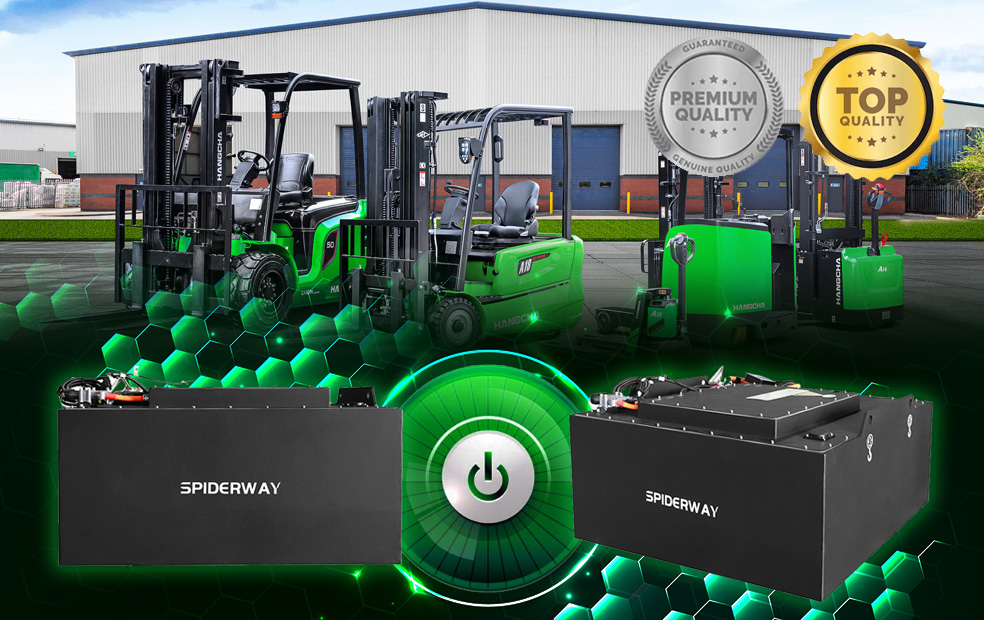
In conclusion, LFP batteries, especially SPIDERWAY’s industrial-grade models, are the optimal choice for applications in cold environments. Their ability to operate in a temperature range of -20°C to 60°C, along with their safety, stability, and durability, make them a valuable asset in regions like Russia. Investing in low-temperature lithium batteries ensures that industrial operations remain uninterrupted, even in the harshest winters.
For businesses in cold regions looking to enhance their operational efficiency, SPIDERWAY's LFP batteries are a reliable, cost-effective solution that meets both current needs and long-term sustainability goals.
Content Keywords: Low-temperature lithium battery, cold weather LFP lithium battery, Russia lithium iron phosphate battery
https://www.spider-way.com/essential-qualities-of-lfp-lithium-iron-phosphate-power-batteries-for-cold-russian-regions-low-temperature-operation/?_unique_id=6732ae486b5dd
Comments
Post a Comment