Lithium batteries have become a staple in the energy storage and electric vehicle (EV) industries, thanks to their high efficiency, long lifespan, and excellent charge-discharge stability. As more individuals and businesses consider the transition to electric and renewable energy solutions, understanding the charging cycle potential of various lithium battery types is crucial. Among these, the LFP (Lithium Iron Phosphate) battery, known for its long-lasting capabilities and stability, stands out for its impressive performance metrics.
Types of Lithium Batteries and Charging Cycles
Lithium batteries are commonly divided into the following categories:
- LFP (Lithium Iron Phosphate) Batteries: LFP batteries are widely valued for their durability and safety. Designed to deliver thousands of charging cycles, LFP batteries offer lower energy density than other lithium batteries but excel in stability and longevity. Currently, leading LFP batteries in the market provide up to 15,000 charge cycles under ideal conditions, making them highly cost-effective in the long term.
- NMC (Nickel Manganese Cobalt) Batteries: NMC batteries offer a higher energy density, making them popular in EV applications where space and weight are crucial considerations. However, the maximum charging cycles range between 1,500 to 3,000 cycles, depending on the model and use conditions. While NMC batteries are efficient, they may require more frequent replacements due to shorter cycle life.
- NCA (Nickel Cobalt Aluminum Oxide) Batteries: NCA batteries, commonly used in high-performance EVs, offer energy density similar to NMC batteries but generally have a slightly longer cycle life. These batteries typically last 1,000 to 2,500 cycles depending on operational stress and maintenance. Their high power output makes them ideal for fast-charging applications, though they are not as durable as LFP batteries.
- LCO (Lithium Cobalt Oxide) Batteries: LCO batteries are mainly used in consumer electronics due to their high energy density but lower cycle life, usually around 500 to 1,000 cycles. Their shorter cycle life makes them less ideal for applications that require frequent charging, such as EVs and industrial vehicles.
Cost Analysis of Different Lithium Batteries
Considering the marginal cost per cycle, LFP batteries generally provide a more economical solution for applications requiring high cycle life. Here’s an analysis of the average cost per cycle across different lithium battery types:
| Battery Type | Typical Cycle Life | Average Cost per Cycle |
|---|---|---|
| LFP | Up to 15,000 | Low |
| NMC | 1,500-3,000 | Medium |
| NCA | 1,000-2,500 | Medium |
| LCO | 500-1,000 | High |
LFP batteries, with their long life expectancy, have the lowest cost per cycle. Given a high-performance LFP battery, the cost per cycle can be minimal, making it a favored choice in long-term energy applications.
Advantages of SPIDERWAY’s LFP Battery Solution
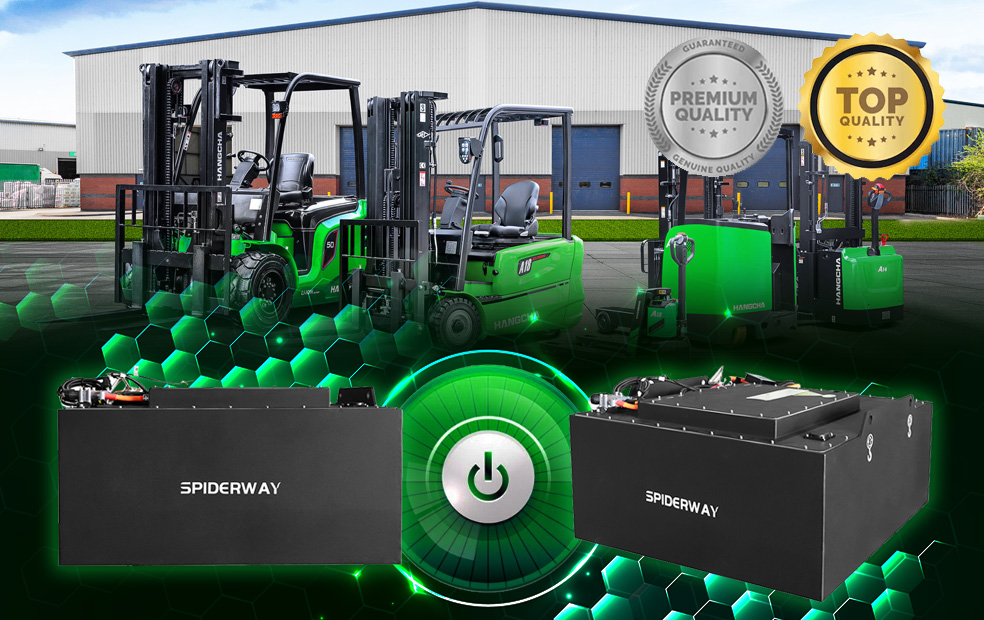
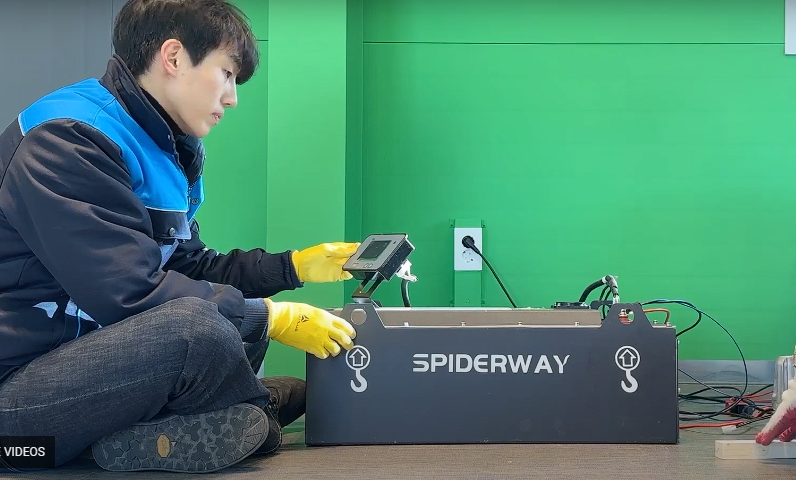
In the industrial lithium battery sector, SPIDERWAY offers a competitive LFP lithium battery that supports up to 15,000 charging cycles and comes with a robust 10-year warranty. This battery not only offers an extended lifespan but also boasts an extremely low marginal cost, thanks to its high cycle capacity and dependable performance. SPIDERWAY’s battery solution has been specifically designed for industrial applications where long-lasting power and low operating costs are critical.
The number of charging cycles for lithium batteries varies widely depending on the type, design, and operational stress factors. LFP batteries, with their industry-leading cycle life of up to 15,000 charges, provide unparalleled longevity, making them a preferred choice for applications where long-term performance is essential. For those seeking a durable and economical battery option, SPIDERWAY’s LFP lithium battery stands out as a reliable solution offering substantial savings on maintenance and replacement costs over time.
Content Keywords: lithium battery charging cycles, maximum charging cycles for LFP batteries, LFP charge-discharge cycle
https://www.spider-way.com/how-many-charging-cycles-does-an-lfp-lithium-iron-phosphate-battery-provide/?feed_id=32&_unique_id=6721ac890c120
Comments
Post a Comment